
Getting Your Colorado Home Ready for Winter
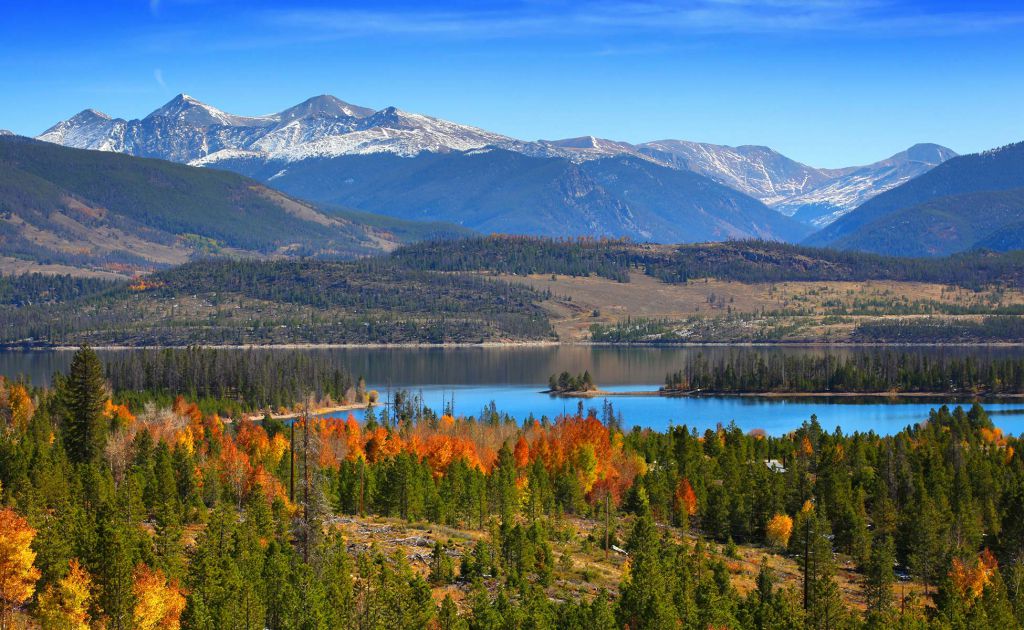
There is something special about the first real snow of the season in Colorado. The peaks above Summit County turn white, the ski lifts start turning, and even along the Front Range the mornings take on that crisp mountain edge. It is also the moment I start reminding owners that a little preparation now can save a great deal of worry, and expense, later in the winter.
Whether your home is your everyday residence in Metro Denver or Colorado Springs, or a second home and vacation rental in Breckenridge, Keystone or Silverthorne, the goal is the same. You want the house to be warm, safe and ready, even on the nights when the temperature drops well below zero.
Start with the water
Frozen pipes are the most common winter surprise I see, and they are almost always preventable. Before the first hard freeze, disconnect garden hoses, shut off and drain outdoor faucets, and have your sprinkler system turned off and blown out. Inside, take a few minutes to find your main water shut-off valve and make sure it turns easily. If a pipe ever does leak, knowing exactly where that valve is can be the difference between a small cleanup and a major repair.
On the coldest nights, open the cabinet doors under sinks that sit on outside walls so warm air can reach the pipes, and keep an attached garage closed if any plumbing runs through it. Pipes along exterior walls, in crawl spaces or in unheated basements are worth insulating, and a plumber can tell you whether heat tape makes sense for a stubborn spot.
Keep the heat on, even when you are away
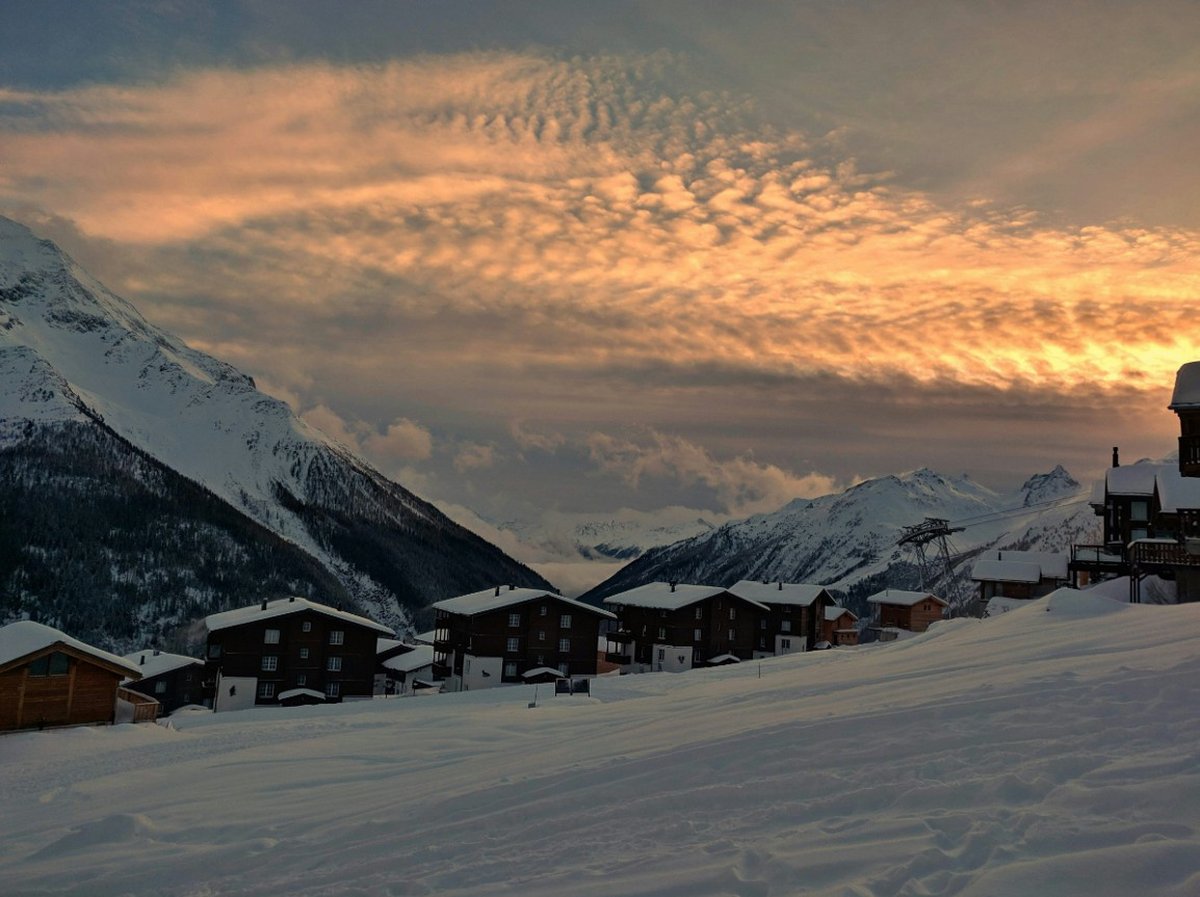
Photo: maia crimew / Unsplash
It is tempting to turn the thermostat way down when you leave for the holidays or between guest stays, but a cold, empty house is exactly where trouble starts. Keep the heat at a steady, comfortable setting while you are gone, and have your furnace or boiler serviced early in the season so you are not waiting on a repair during the first cold snap. A smart thermostat or a simple temperature alert is a small investment that lets you know right away if the heat stops working.
If a home will sit empty for a longer stretch, it is worth talking through a full winterization plan rather than simply locking the door and hoping for the best. Damage in a vacant home can go unnoticed for days, which is one of the biggest reasons owners choose to have someone checking on the property regularly.
Look up: roofs, snow and ice
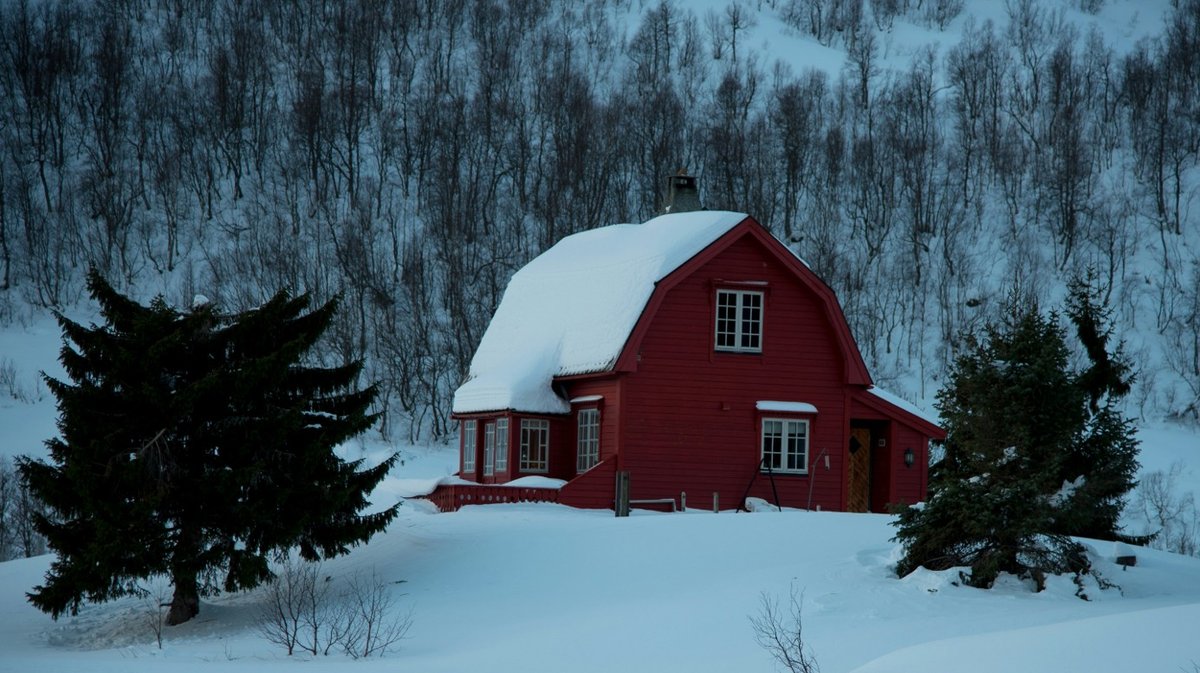
Photo: Richard Kemp / Unsplash
In the mountains especially, what happens on the roof matters as much as what happens inside. Heavy snow and ice dams can lead to leaks and damaged gutters, so have the roof and gutters looked at before the big storms arrive, and plan ahead for snow removal from decks, walkways and driveways. For a vacation rental, clear and safe entry is part of the guest experience, and it protects you as the owner, too.
Safety and comfort for everyone inside
Winter is the season when fireplaces, wood stoves and furnaces work hardest. Have chimneys and gas fireplaces inspected, test smoke and carbon monoxide alarms, and replace batteries while you are at it. If you rent your home to guests, a short, friendly note in the welcome book about the thermostat, the fireplace and where to find the snow shovel goes a long way toward a smooth stay.
A little help goes a long way
For many of the owners I work with, the real value is peace of mind. Knowing that someone local is checking the heat after a cold front, making sure the snow is cleared before guests arrive and keeping an eye on the home between visits lets you enjoy Colorado living without worrying from a distance.
If you would like a second set of eyes on your home this winter, or you are thinking about turning a mountain property into a vacation rental, I would be glad to help. Let’s talk about your goals and create a plan that fits your home.
Winter home prep: common questions
How do I keep pipes from freezing in a Colorado home?
Before the first hard freeze, disconnect hoses, drain outdoor faucets and have the sprinkler system blown out. On very cold nights, open the cabinets under sinks on outside walls and insulate pipes in crawl spaces, garages and unheated basements.
Should I turn off the heat when my mountain home is empty?
No. Keep the heat at a steady, comfortable setting while you are away. A cold, empty house is where frozen pipes start, and a temperature alert or smart thermostat tells you right away if the heat stops.
When should I get my home ready for winter?
Before the first hard freeze. That gives you time to shut off outdoor water, have the furnace serviced and have the roof and gutters checked before the big storms arrive.
Can someone check on my vacation home this winter?
Yes. Many second-home owners have someone local check the heat, clear the snow and look over the home between visits. Contact Colorado Luxe Living to talk through a plan for your home.
Wendy Perkins, Broker | Colorado Luxe Living