
The Real Cost of Owning a Home in Colorado
The real cost of owning a home in Colorado goes well beyond the mortgage. A new analysis from Zillow and Thumbtack puts the typical Denver-area homeowner’s hidden costs, meaning maintenance, homeowners insurance and property taxes, at $17,659 a year, or about $1,470 a month. That is above the national figure, and it is rising faster here than in most of the country. Whether you are buying on the Front Range or in Summit County, building those costs into your plan from the start is what lets a home feel like a reward rather than a strain.
What the new numbers say
Zillow’s October 2026 report looked at 30 metro areas. Nationally, the typical homeowner now spends $16,566 a year beyond the mortgage payment, nearly 32 percent more than five years ago. Maintenance is the largest piece at $11,171, followed by property taxes at $3,129 and insurance at $2,266. In metro Denver, the total rose 6.6 percent in the past year alone and 36.2 percent over five years, both faster than the national pace.
Why insurance is the line to watch in Colorado
The most striking local detail is insurance. Zillow found that Denver homeowners’ premiums have climbed about 70 percent in five years and now top $3,000 a year, which means a typical Denver owner pays more for insurance than for property taxes. Anyone who has lived through a Front Range hailstorm understands why. Roofs, siding, windows and cars all take a beating, and insurers price that risk in.
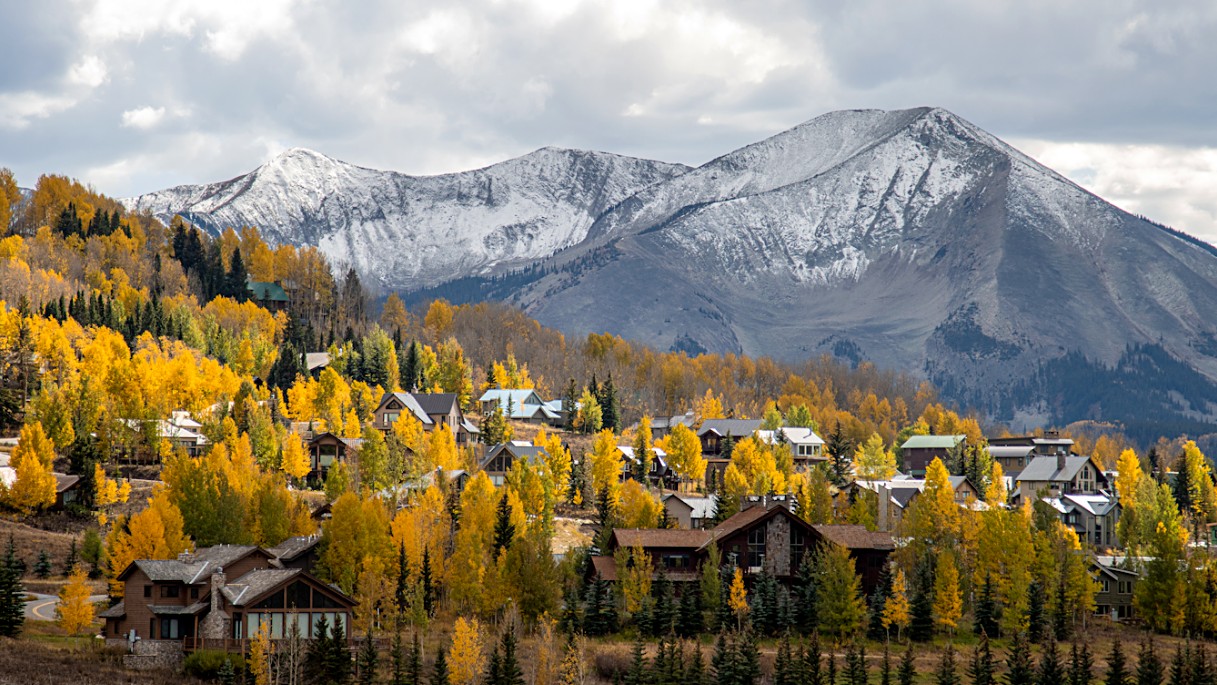
Weather risk, from hail to wildfire, shapes insurance costs across Colorado. Photo: Caleb Jack on Unsplash.
In the mountains, the conversation shifts toward wildfire. For homes that standard carriers decline, Colorado created the Colorado FAIR Plan through House Bill 23-1288 as an insurer of last resort. According to the Colorado Division of Real Estate, applicants need three declinations from standard insurers first, and homeowner coverage is capped at $750,000 for the home and its contents, paid at actual cash value rather than replacement cost. It is a safety net rather than a first choice, so it pays to shop for coverage early.
What this means for Front Range buyers
For buyers in Denver, Golden or Colorado Springs, the practical lesson is simple: get an insurance quote during your inspection period, not after closing. Ask the seller about the age of the roof and any past hail claims, and ask your insurance agent whether a newer or impact-resistant roof would change your premium. Then plan for upkeep. Our dry air, freeze-and-thaw cycles and strong sun are hard on decks, exterior paint, sprinkler systems and roofs, and those projects tend to arrive on their own schedule. Our Home Buyers page walks through the rest of the process.
Summit County and second-home owners
In Breckenridge, Frisco, Silverthorne, Dillon and Keystone, the same three costs apply with a mountain twist. Snow removal, roof care under heavy snow, and HOA dues in many condo and townhome communities all add to the monthly picture, and wildfire risk can affect both the price and the availability of coverage. If you plan to rent the home part of the year, talk with your insurance agent about a policy written for rentals, since a standard homeowner’s policy may not fit. Steady care matters even more when you are not there every week, which is where thoughtful short-term rental management earns its keep.

Plan for insurance, taxes and upkeep, not just the mortgage.
How to plan ahead
The best habit is to look at the full monthly cost of a home, not just principal and interest. Get insurance quotes on the homes on your short list, check the property tax history with the county assessor, and set aside a maintenance reserve each month so repairs never become emergencies. Sellers benefit from the same thinking. A home with a documented newer roof, a recent furnace service and clear records gives buyers confidence about what they are taking on, and that confidence shows up in offers.
Let’s talk about your goals
Whether you are buying your first home in Denver, adding a ski retreat in Summit County or reviewing a rental property you already own, I would be glad to help you look at the true cost before you commit. Call me at 720-365-5149 or reach out through our contact page. Let’s talk about your goals.
Wendy Perkins, Broker | Colorado Luxe Living
Frequently asked questions
How much does it cost to own a home in Denver beyond the mortgage? About $17,659 a year for a typical homeowner, according to Zillow and Thumbtack’s October 2026 analysis. That covers maintenance, homeowners insurance and property taxes.
Why is homeowners insurance so expensive in Colorado? Severe weather is the main driver, especially hail along the Front Range and wildfire risk in the mountains. Zillow found Denver premiums are up about 70 percent over five years.
What is the Colorado FAIR Plan? It is the state’s insurer of last resort, created by House Bill 23-1288, for homes that standard insurers have declined. Homeowner coverage goes up to $750,000 at actual cash value.
When should I get an insurance quote when buying a home? During your inspection period, before your contingency deadlines pass. That way a surprising premium can still shape your decision.